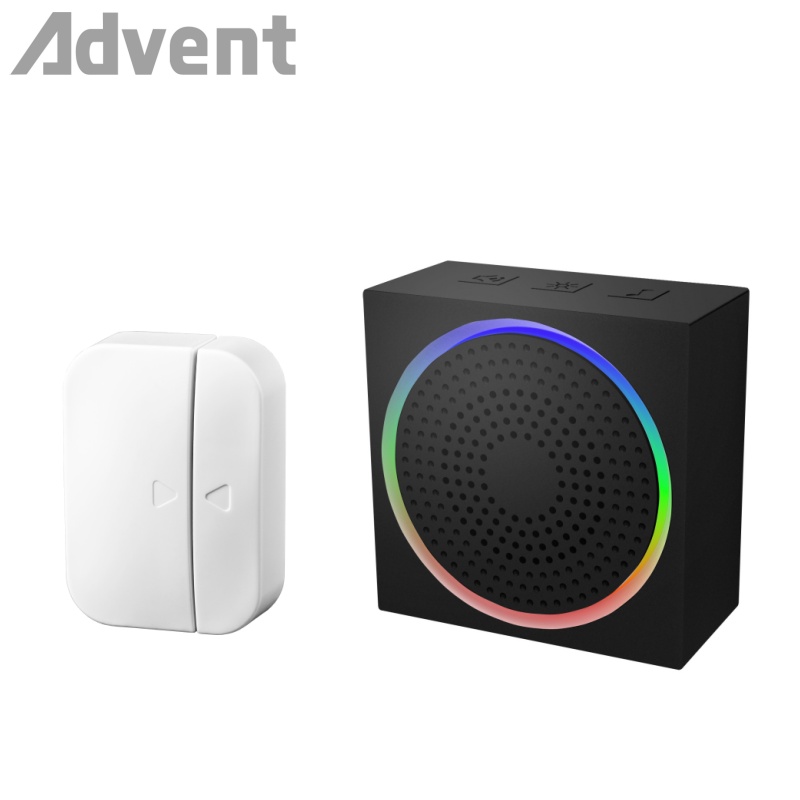
Door and window sensors detect openings or breaches using simple yet effective technologies. Here's a concise breakdown of how they work:
一:Magnetic Reed Switch Sensors (Most Common)
Components:
1.A magnet attached to the movable part (door/window).
2.A reed switch (a small, sealed electrical contact) on the fixed frame.
When Closed:
The magnet aligns with the reed switch, keeping the circuit closed (no signal sent).
3.When Opened:
The magnet moves away, breaking the circuit. This triggers an electrical signal to the security system, which sounds an alarm or sends a notification.
二:Wireless Sensors (e.g., Wi-Fi, Z-Wave)
1.Use radio frequency (RF) signals to communicate with a central hub or smartphone app.
2.When the door/window is opened, the sensor sends a wireless signal to the system, activating alerts without physical wiring.
三:Vibration Sensors (Advanced Models)
1.Detect unusual vibrations (e.g., forced entry, glass breaking) and trigger an alarm, even if the door/window isn’t fully opened.
How They Integrate with Security Systems
Wired Systems: Directly connected to a control panel via cables; reliable but less flexible.
Wireless Systems: Sync with smart home hubs (e.g., Alexa, Google Home) for remote monitoring and alerts.
Battery-Powered: Most wireless sensors use long-life batteries (2–5 years) for uninterrupted operation.
In short, door and window sensors act as silent guardians by converting physical movement into electrical or wireless signals, ensuring quick detection of breaches to protect spaces.